Home › Crystal Dictionary › Citrine
Citrine: Meaning, History & Properties
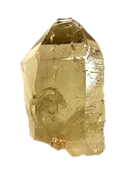
Quick answer: Citrine is sunny yellow quartz linked to abundance, optimism and confidence. It is traditionally linked with the Solar Plexus and Sacral Chakras.
Citrine meaning
Sunny yellow quartz linked to abundance, optimism and confidence. It is traditionally called the merchant’s stone and is popular for positive energy, confidence and success.
Common keywords for Citrine are abundance, joy, confidence, optimism, motivation. These meanings come from metaphysical tradition and are not medical or scientific claims.
History of Citrine
Its name comes from the French “citron,” meaning lemon. Most Citrine today is heat-treated Amethyst, so natural Citrine is rare.
How Citrine is made
Citrine is yellow to orange quartz. Most natural citrine is rare, and much of what is sold is heat-treated amethyst or smoky quartz. Natural citrine grows in cavities in rock, and Brazil is a major source.
Citrine and the Chakras
Citrine is traditionally linked with the Solar Plexus and Sacral Chakras. Take the Chakra quiz to see which energy center to focus on.
Shop Citrine
Browse Citrine on Amazon in the styles people shop most:
CrystalTumbled stonesBraceletsRaw stones
Frequently asked questions
What does Citrine mean?
Sunny yellow quartz linked to abundance, optimism and confidence. It is traditionally called the merchant’s stone and is popular for positive energy, confidence and success.
Which Chakra is Citrine connected to?
Citrine is traditionally connected with the Solar Plexus and Sacral Chakras.
Which zodiac signs are paired with Citrine?
Citrine is not tied to one zodiac sign, but you can use it with any sign that shares its Chakra.
How is Citrine formed?
Citrine is yellow to orange quartz. Most natural citrine is rare, and much of what is sold is heat-treated amethyst or smoky quartz. Natural citrine grows in cavities in rock, and Brazil is a major source.
What is the history of Citrine?
Its name comes from the French “citron,” meaning lemon. Most Citrine today is heat-treated Amethyst, so natural Citrine is rare.
Related crystals
More: Crystal Dictionary A–Z · Crystals for the new moon · The four zodiac elements